


We are used to jewelry being layered with meaning, wedding rings, lockets, charms, anklets. But horns are different. They’re earthy, primal, a little dangerous, and undeniably masculine. Which makes it fascinating that the symbol of horns has, for centuries, been tied to men who yield, men who watch, and men who proudly support their wife’s desire for another.
Let’s dig into the duality of the symbol and how they became the secret language of cuckolding, how they tie into stags and primal masculinity, and why the symbolism feels mor relevant than ever for modern female-led relationships.
History of the Antler Symbol
The story starts in medieval Europe. If a man was “wearing the horns,” it meant his wife was sleeping with another man. Why horns? Because horns were something you wore on your head, like invisible antlers everyone else could see but you. The image was humorous, humiliating, and sharp—an easy insult in taverns and gossip circles.
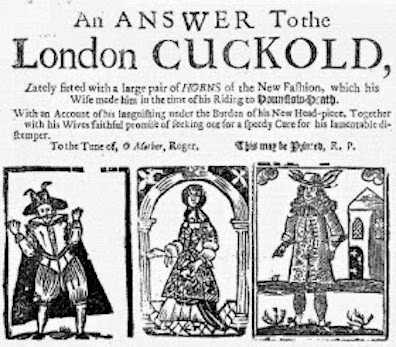
Interestingly, the horns were always visible to others. Everyone else knew the man was a cuckold but he was the last to find out. That’s where the sting came in, as if a comedy of ignorance. Over time, the horns stuck as a shorthand with plays and folk songs all leaning into this imagery and spreading the folklore of cuckold horns across Europe.
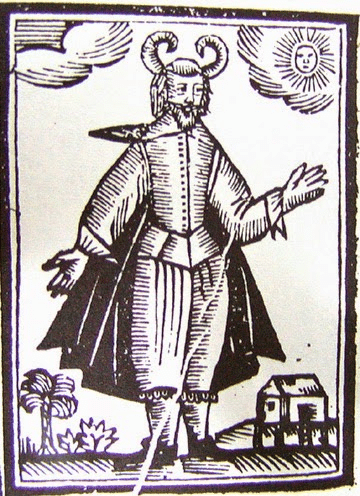
But what began as humiliation evolved into what we have today with many couples reclaiming those horns not as a mark of shame, but as a quiet badge of pride, devotion, and sexual courage.
Cuckold vs Stag Symbolism
Horns aren’t just about humiliation, they are now used in stag/vixen relationships. A stag in this relationship dynamic is proud, virile, and dominant, with antlers rising tall and sharp. When we talk about stag and vixen dynamics (where a man enjoys watching his partner with another but still identifies as masculine and confident), the sign of the antlers is front and center.
What happens if the stag transforms into a cuckold? He still carries the horns—but now they signal something slightly different. Instead of being a symbol of his virility alone, they become a symbol of his willingness to yield some of that masculine energy in devotion to his partner.
That’s why the same symbol works so beautifully for a powerful and proud stag and a devoting and surrendered cuckold. Often those roles mix with a cuck being both proud and devoted or powerful and surrendered. Both images represent commitment, connection, love and elevation of the woman’s role and sexuality.
Both images circle around masculinity and support for his partner, but one stands tall in competition, while the other bends in service with both exquisitely beautiful in their own way.
Antlers as Sexual Metaphor
Sexually, horns are phallic. They curve, they pierce, they stand tall. They symbolize arousal, potency, and primal energy. Which makes it all the more erotic that a cuckold “wears” the horns without wielding them.
In this symbolism, her lover (bull, boyfriend) carries the raw physical power, the horns in action. The husband carries the symbolic horns, the acknowledgment of that power, the surrender to it. Both are linked to virility, but expressed differently with one in taking, the other in witnessing.
This dual meaning and lack of mainstream recognition is what makes the horn motif so delicious. When a man wears a subtle horned band, it’s like whispering: I know. I carry this for her. I bear my status with quiet pride even if she and I are the only two people who recognize it.
Horns: From Humiliation to Pride
In the hotwife and cuckolding world today, horns show up often and what once meant ridicule now often signals connection, devotion, or relationship identity.
It’s the perfect example of sexual reclamation. Women and couples take what was once meant to shame men and flip it into something powerful and bonding.
A husband wearing a horned wedding band isn’t saying “I’ve been cheated on.” He’s saying so much more, “I choose this. I live this. I support my wife’s freedom and sexuality so much that I wear the mark with pride and devotion.”
There’s a reason horns have lasted through centuries of shifting sexual culture. In the right circles, people understand horns as a bold symbol, even without knowing the deeper history or the specific interpretation for the couple balancing humiliation and pride, masculinity and surrender. The horns connect back to stags, bulls, and animal strength, perfect metaphors for sexual play.
That combination is why couples like us find the cuckold horns symbol so perfect. It’s discreet, and sexy as hell for those who know the meaning.
The Female-Led Dynamic
The horn symbol highlights something about female-led relationships, a the shifting of sexual power. When a man wears the horns, he acknowledges that sex is her domain. She chooses, she leads, she takes. He follows, supports, and they celebrate the relationship together. He does not own her sexuality, she owns her sexuality and she brings it to the relationship in the way that best suits her.
The horns remind him that his masculinity isn’t erased by submission. Instead, it’s reshaped. He isn’t the stag who fights for dominance anymore. He’s the stag who has yielded to her, the man who bears his antlers not for battle but for belonging. For me, that’s what makes this symbol so beautiful. It says, I am hers. I don’t hide it. I wear it on my body and in my heart.
The symbol has moved from medieval insult to modern badge of pride, from mocking gesture to discreet jewelry, from comedy to kink identity. They embody everything I love about female-led relationships, tradition reshaped, masculinity redefined and love expressed through intimate surrender.
Whether you see them as stag antlers, cuckold horns, or erotic metaphors, they carry a story that may be very different for every couple who identifies with them. So the next time you see those horn design on a band or necklace, you’ll know. It’s not just decoration but a symbol of devotion and erotic truth.
Are the horns a symbol of the evolution within your relationship? Let me know in the comments below.
Evolving The Conversation
- Do you see horns more as a symbol of pride or humiliation in cuckold or hotwife dynamics?
- How do you think stag and cuckold symbolism overlaps? How do the cuckold and hotwife relationships differ in your eyes?
- In your eyes, what do hotwife and cuckold relationships share in common?
- Do you think reclaiming old symbols of shame makes them more powerful?
- How does the symbolism of horns connect to your own ideas of masculinity, femininity, or sexual surrender?

So as I sead before I had a deep conversation with someone in the know
Horns on a stag head mean stag
Horns crossed without stag head mean cuckold
Horns over a lock that means forced cuckolding or locked cuckold ( that one still has a lot to do with shame )
Horns over a heart ❤️ that means loving cuckold …. That means he is still a stag or cuckold but he is protected do not mixt that up with anything else ( it’s like a warning I love this man do not cross me )
And good god there are mix’s of them and about 4 or 5 other’s but hey that’s what we talked about
This sounds right to me, and then there’s this one.
I’m not sure that’s something anyone would where ….. Then again who knows my buddy got his tung split so maybe 🤔
The article beautifully captures the evolution of cuckold horns from a symbol of humiliation to one of pride and devotion. However, there are some traditional practices surrounding these horns that add an extra layer of depth and meaning to the dynamic between a cuckold and his hotwife.
Traditionally, the cuckold horns can be introduced on the wedding night itself. Imagine the scene: the newlywed couple, in the intimate setting of their first night together. The wife, now a hotwife, takes the horns and places them gently on her husband’s head. This act, as captured in photo 2, is a powerful statement of her dominance and his submission. It sets the tone for their relationship, where she leads and he follows, where her desires are paramount, and his role is to support and serve. This act on the wedding night is a private, yet profound, acknowledgment of their dynamic, a secret language understood only by the two of them.
For public humiliation, the hotwife, or cuckoldress, can wear the horns on her head in front of her cuckold and other female significant others. This could include her mother, mother-in-law, sisters, ex-girlfriends, bridesmaids, and anyone else who is part of her inner circle. Usually, this occurs some time after the wedding, perhaps at a family gathering or a reunion. The hotwife, with the horns adorning her head, smiles as she walks into the room. This act is her stamp, her signature, a public declaration of her power and his humiliation. It’s a visual representation of their relationship dynamic, a symbol that speaks volumes without uttering a word.
Traditionally, the hotwife will use her two index fingers to make the horns shape on her own head or on the cuckold’s head while smiling. This gesture is a significant milestone, a public acknowledgment of their dynamic that leaves no room for misinterpretation. It’s a moment of clarity, where the cuckold’s role and the hotwife’s power are openly displayed, often eliciting a mix of emotions from those present, ranging from amusement to admiration.
The other females in the room will often reciprocate by doing the same – placing their index fingers on their heads to mimic the horns, smiling, and laughing. This light-hearted humiliation is a shared understanding among them, a silent acknowledgment of the cuckold’s status and the hotwife’s power. It’s a moment of camaraderie, where the women bond over their shared knowledge of the cuckold’s role and the hotwife’s dominance. This act not only humiliates the cuckold but also elevates the hotwife’s status, making her the center of attention and admiration.
From a psychological perspective, this practice has a profound impact on the couple’s dynamics. The cuckold, by being subjected to this gesture, internalizes his role as a subordinate. This internalization can lead to a deep sense of humiliation, which, paradoxically, can strengthen his devotion to his hotwife. The humiliation is not a source of shame but a badge of honor, a testament to his love and commitment.
For the hotwife, the act of placing or mimicking the horns is an assertion of her power and control, reinforcing her role as the dominant partner.
In conclusion, the cuckold horns, whether worn by the cuckold or the hotwife, serve as a powerful symbol of their relationship dynamic. They embody the shift in power, the acknowledgment of the cuckold’s submission, and the hotwife’s dominance. Whether in private or public, these horns carry a story of devotion, humiliation, and love, a story that is unique to each couple who chooses to wear them.
This is the well known traditional cuckolding wife horns.
Well known?
In the hotwife and cuckolding world today, horns show up often and what once meant ridicule now often signals connection, devotion, or relationship identity.
IMHO – This signals connection, devotion, or relationship identity – – to the female.
To the cuckolded male however, who often struggles with feelings of humiliation, and sexual frustrated while locked in a chastity cage, it usually signals the stark reality of his place in the hierarchy, and that his sexual performance simply doesn’t measure up.
Done correctly, this can be a good thing. The hotwife will take her proper place at the dominant partner, while the cuckolded male will accept the truth regarding what he is – and what he is not.
I always thought the meaning of the horns was to humiliate the cuckold husbands make him like the village idiot. Lol what the hell do I know I’m a cuckold lol